


Imagine improving your business by 60% with custom built software. Well, in 2023, many companies did just that with bespoke software, made to fit their needs perfectly and giving them a big advantage over generic solutions.
Bespoke software development solves your business problems, making work easier and faster. It helps your business grow by increasing workflows, enhancing productivity, and ensuring smooth operations.
Want to know how developing bespoke software can help your business, too? Read on to learn about its benefits, the process, challenges, and real-life success stories. This blog will teach you to make smart choices and stay ahead.
Let’s buckle up!
What is Bespoke Software?
Bespoke software, also called custom or tailored software, is made specifically for your company or needs. Unlike commercial off-the-shelf (COTS) software, bespoke solutions are built from scratch to meet your unique requirements.
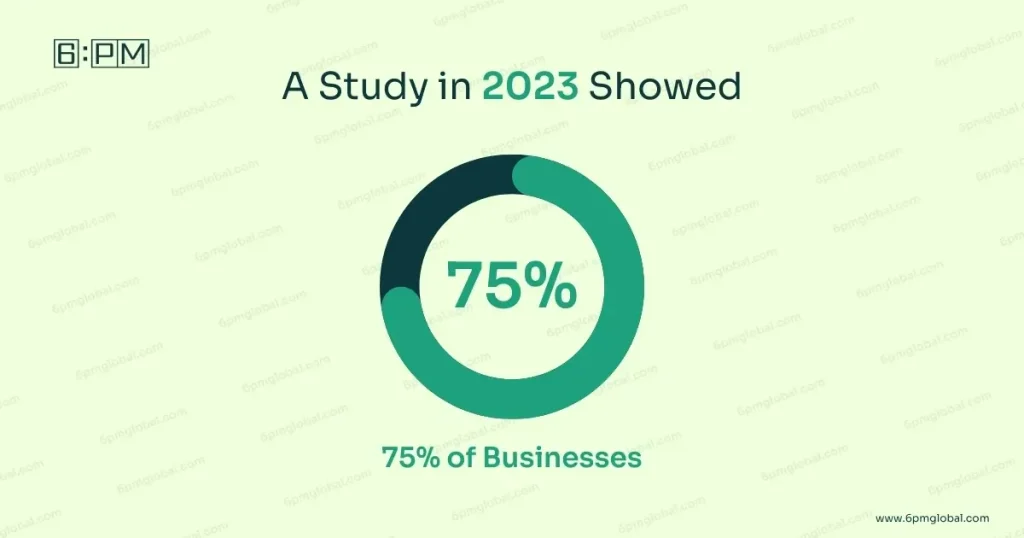
This custom approach makes sure that the software fits your business processes perfectly, increasing efficiency and productivity. In fact, a study in 2023 showed that 75% of businesses using bespoke software reported a significant improvement in operational efficiency.
Therefore, with bespoke software, you get a solution designed just for you, addressing your specific challenges and workflows. This makes your operations smoother and more effective, helping your business grow and succeed.
Examples of Bespoke Software Solutions
Bespoke software is used across various industries to meet unique needs and improve operations. Let’s see examples:
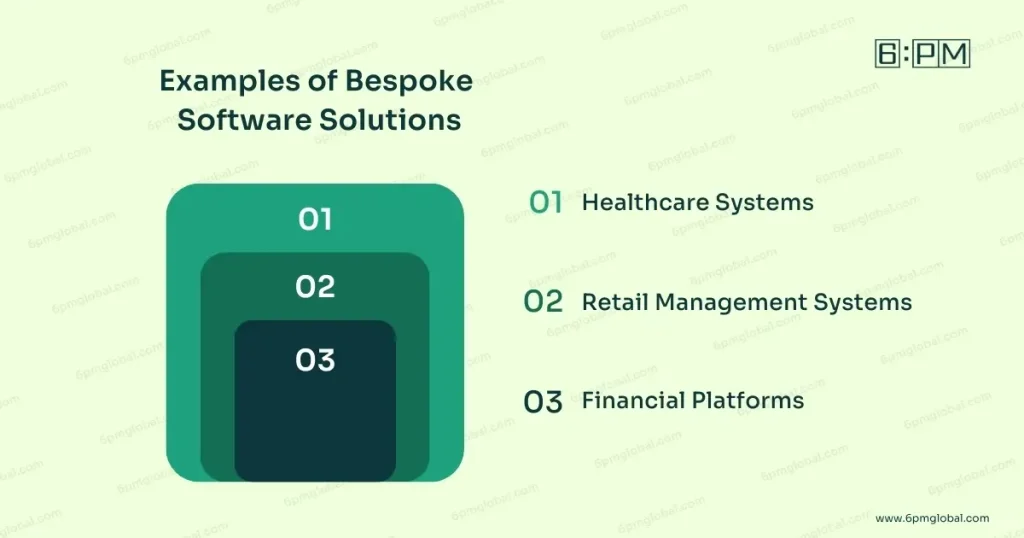
Healthcare Systems
Custom built hospital software can manage patient records, schedule appointments, and handle billing with features tailored to the hospital’s specific workflows.
This software ensures accurate record-keeping, simplifies administrative tasks, and enhances patient care by giving doctors and nurses easy access to vital information.
Retail Management Systems
Large retailers like Amazon use bespoke software for inventory management, order processing, and customer service. These systems are designed to handle massive amounts of data, ensuring a seamless shopping experience.
By customizing their software, retailers can optimize stock levels, process orders efficiently, and provide excellent customer support. It improves overall customer satisfaction as well.
Financial Platforms
Banks like Goldman Sachs have developed bespoke platforms for their customers, offering personalized banking experiences and services. These platforms can include features like customized financial advice, tailored investment options, and secure transaction processing.
Well, by using bespoke software, banks can meet the specific needs of their clients, enhancing trust and engagement.
Bespoke Software Development vs. Off-the-Shelf Software
Bespoke software development offers distinct advantages and disadvantages compared to off-the-shelf solutions. Here’s a clear comparison:
| Aspect | Bespoke Software | Off-the-Shelf Software |
|---|---|---|
| Customization | High degree of customization tailored to specific business needs | Limited customization options |
| Scalability | Seamless integration with existing systems | May face integration challenges |
| Integration | Seamless integration with existing systems | May face integration challenges |
| Cost | Higher initial costs but potential long-term savings | Lower upfront costs but ongoing expenses for licenses and customizations |
| Suitability | Ideal for businesses with unique needs and long-term growth plans | Suits smaller businesses with standard processes |
The Process of Bespoke Software Development Services
Developing Bespoke software has different critical stages to ensure the final product meets the unique needs of the client. Here’s a look at each step:
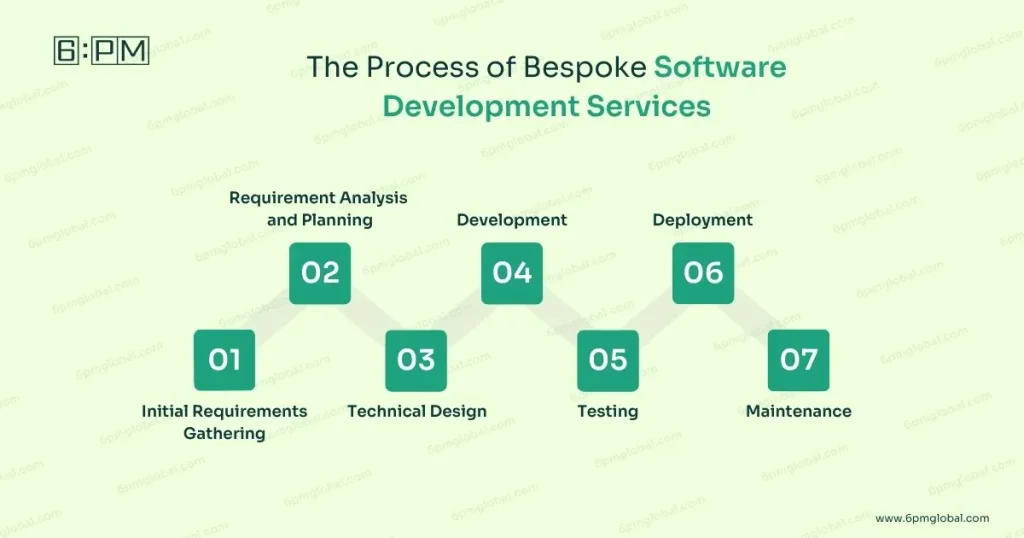
Initial Requirements Gathering
This stage involves meeting with the client to understand their needs and objectives. Detailed documentation is created to capture all aspects of the client’s requirements.
Moreover, it ensures a clear understanding of what the software should achieve.
Requirement Analysis and Planning
In this phase, the gathered requirements are thoroughly examined and analyzed. The development team plans the project, defining the scope, timelines, and resources needed.
This step is necessary for setting realistic expectations and ensuring all requirements are feasible.
Technical Design
During the technical design phase, a detailed blueprint of the software is created. This includes designing the architecture, selecting the technology stack, and outlining the user interface.
Therefore, the design serves as a roadmap for developers to follow during construction.
Development
In the development stage, the software’s actual coding and construction occur. Developers build the software according to the technical design, ensuring that all features and functionalities are implemented as planned.
Also, regular progress reviews help keep the project on track.
Testing
Rigorous testing is conducted to identify and fix any issues or bugs in the software. This includes functional testing, performance testing, and security testing.
Here, the goal is to ensure the software operates smoothly and meets all specified requirements.
Deployment
Once testing is complete, the software is deployed for end-users. It covers installing the software in the production environment, configuring it for use, and ensuring all users can access it without issues. Training and documentation may also be provided.
Maintenance
After deployment, ongoing support, updates, and enhancements are provided to ensure the software remains functional and up-to-date.
This includes fixing post-deployment issues, adding new features as needed, and ensuring compatibility with evolving technologies.
Benefits of Going Bespoke: Custom Software Development
Bespoke software offers numerous advantages, making it an appealing choice for businesses with specific needs. Let’s find out the benefits:
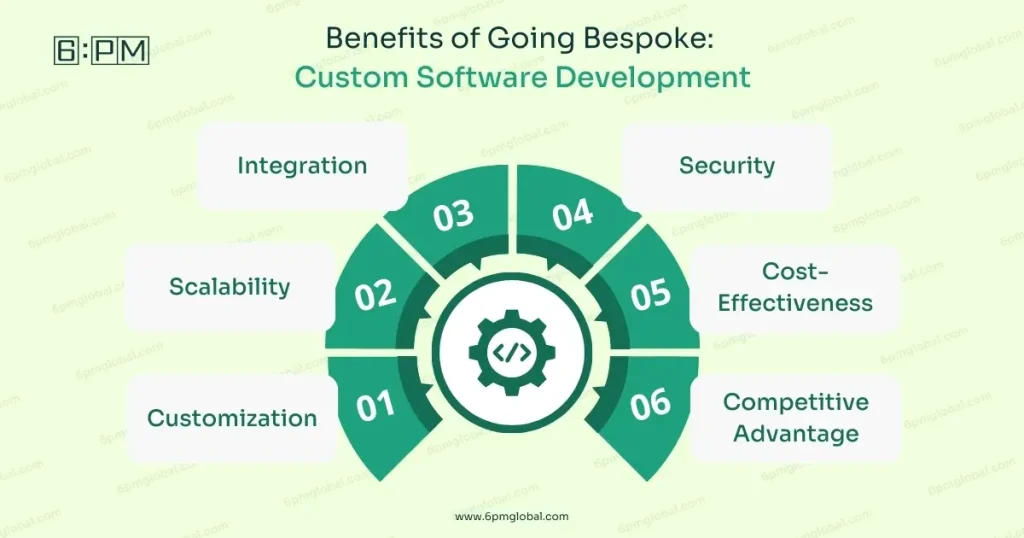
Customization
Bespoke software is tailored to meet your specific business needs, ensuring that every feature and functionality aligns perfectly with your operations. This level of customization allows for a more efficient workflow and better user experience.
Thus, it addresses unique challenges effectively.
Scalability
Custom built software can grow with your business, adapting to increasing demands and evolving processes.
Unlike off-the-shelf solutions, which may require expensive upgrades or replacements, bespoke software can be scaled up or modified as needed. This ensures it remains effective as your business expands.
Integration
Bespoke software seamlessly integrates with your existing systems, ensuring smooth data flow and compatibility.
This reduces the risk of disruptions and errors, as the custom solution is designed to work harmoniously with your current technology stack. Plus, it enhances overall operational efficiency.
Security
Enhanced security features personalized to your specific risks and requirements are a significant advantage of bespoke software. Custom solutions can include advanced security measures that protect sensitive data and comply with industry regulations.
This provides a higher level of protection than generic software.
Cost-Effectiveness
While the initial investment in bespoke software may be higher, it offers long-term savings through improved efficiency and reduced need for frequent upgrades.
Also, custom software eliminates the ongoing costs associated with licenses, subscriptions, and modifications required for off-the-shelf solutions.
Competitive Advantage
Last but not least, bespoke software provides unique features that set your business apart from competitors.
By addressing your specific needs and incorporating innovative functionalities, custom solutions can enhance your service offerings, improve customer satisfaction, and give you a distinct edge in the market.
Success Stories of Bespoke Software Development Company
Bespoke software has transformed many organizations, driving significant improvements and innovation. Here are some notable success stories:
Mayo Clinic
The Mayo Clinic implemented a bespoke patient management system designed specifically to meet their needs. The custom solution reduced administrative errors, streamlined appointment scheduling, and improved overall patient care.
By tailoring the software to their unique workflows, Mayo Clinic enriched efficiency and delivered a better patient experience.
Toyota
Toyota developed the Toyota Production System (TPS), a bespoke solution that revolutionized manufacturing processes. TPS focuses on lean manufacturing principles, reducing waste, and optimizing efficiency.
Well, this custom software enabled Toyota to set industry standards in productivity and quality, maintaining their leadership in the automotive industry.
Amazon
Amazon created the Amazon Fulfillment Technology, a bespoke software system to optimize inventory management and delivery processes.
This customized solution allowed Amazon to handle large amounts of data, simplify operations, and provide faster, more reliable deliveries. As a result, Amazon improved its customer service and operational efficiency.
Goldman Sachs
Goldman Sachs launched the Marcus platform, a bespoke solution for retail banking, allowing the company to enter a new market successfully. The custom software provided personalized financial services, streamlined customer interactions, and offered a user-friendly experience.
Also, Marcus helped Goldman Sachs expand its customer base and strengthen its position in the financial sector.
Challenges of Bespoke Software Development Process
While bespoke software offers numerous advantages, it also presents several challenges that businesses need to consider:
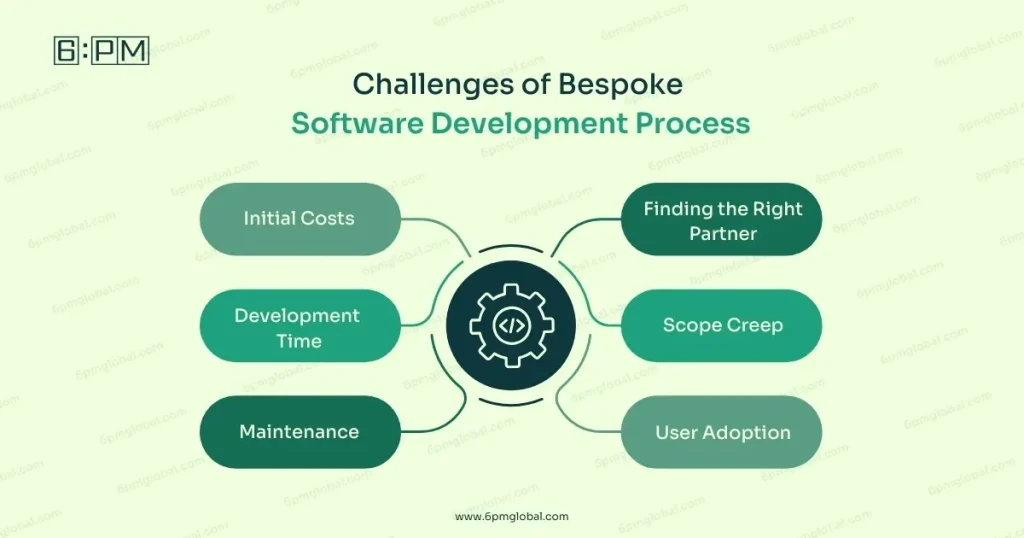
Initial Costs
Bespoke software development involves a higher upfront investment compared to off-the-shelf solutions.
This initial expense covers the detailed requirements gathering, custom design, and development processes. However, the long-term benefits often justify the initial costs through improved efficiency and tailored functionality.
Well, the cost of bespoke software development can range from $50,000 to $800,000 when outsourced to a local tech agency. On the other hand, developing it in-house, similar to the 6PM approach, can be managed within $100,000.
Development Time
Creating custom software takes longer to develop and implement than purchasing ready-made solutions. The extended timeline includes thorough planning, design, coding, testing, and deployment phases.
Hence, businesses must be prepared for this time commitment to ensure the final product meets their specific needs.
Maintenance
Bespoke software requires ongoing updates and support to keep it running smoothly and securely. Regular maintenance is necessary to address any issues, add new features, and ensure compatibility with evolving technologies.
This continuous effort is crucial for the software’s longevity and effectiveness.
Finding the Right Partner
Choosing a development partner with the right expertise and alignment with your business values is essential. The success of bespoke software development heavily depends on the skills and understanding of the development team.
That’s why businesses must invest time in finding a partner who can deliver quality results. For example, 6PM Global is very much strict about this as fractional CTO can literally change the shape of your business. So, hire a fractional CTO and gain unlimited success!
Scope Creep
Managing changes in project scope can be challenging during bespoke software development. As new requirements emerge or priorities shift, the project can expand beyond the initial plan, leading to delays and increased costs.
So, effective project management and clear communication are needed to control scope creep.
User Adoption
Ensuring users are comfortable and proficient with the new software is crucial for its success. Custom built software may require training and support to help users adapt to new processes and features.
Remember that addressing user concerns and providing adequate resources can facilitate smoother adoption and maximize the software’s benefits.
Tips to Choose Bespoke Software
Now, let’s see some tips for going bespoke:
- User-Centered Design: Prioritize user experience in the design phase.
- Risk Management: Develop a thorough risk management plan.
- Agile Practices: Embrace agile development methodologies for flexibility.
- Clear Objectives: Clearly define business goals and requirements.
- Choose the Right Partner: Select a development partner with relevant experience and excellent communication skills.
Conclusion
To wrap up, bespoke software development provides a custom solution to meet your business’s unique needs. It offers great advantages in customization, scalability, integration, and security.
While it involves higher initial costs and longer development times, the long-term benefits often outweigh these challenges. Choosing the right development partner and focusing on clear objectives and user-friendly design are necessary.
By doing so, you can successfully implement bespoke software solutions that enhance efficiency, support growth, and provide a competitive edge. It also ensures that your software evolves with your needs and helps you stay ahead in the market.
All the best!
FAQs
Is bespoke software suitable for small businesses?
Yes, bespoke software can be suitable for small businesses with unique needs and long-term growth plans. While initial costs are higher, the tailored approach can significantly enrich efficiency, productivity, and competitiveness.
How do I ensure user adoption of bespoke software?
Ensuring user adoption involves providing adequate training, support, and resources. Involve users early in development, address their concerns, and design the software with user-friendly interfaces. Continuous feedback and improvements help you adapt and become proficient with the new software too.
Can bespoke software integrate with my existing systems?
Yes, bespoke software is designed to integrate seamlessly with your existing systems. This ensures smooth data flow and compatibility, reducing the risk of disruptions and errors.